
on hummingbirds
your top performers need more attention than you think. republished from circ. Nov 2021

A costly mistake I made in early years of managing teams was spending too much time supporting underperformers instead of coaching high performers.
Like most managers, I tried to keep sacred a weekly ritual of 1:1 check ins with all my reports. My high performers were always doing great, so they got 25 mins a week. I spent a disproportionate amount of time and mindshare with teammates who were struggling or stuck. Meanwhile, my top players were always on top of their workload, and anticipated challenges and tackled them better than I could have done myself. They didn't seem to need me as much, so I treated them like extensions of myself - it was a relief to offload some of my responsibilities onto their plates, and they were excited to take on more scope.
I should have done the exact opposite. I should have flipped the amount of time I spent coaching high performers, clearing their plates, and letting go instead of rescuing underperformers.
Cultivating a garden for hummingbirds requires weeding. A quick word on underperformers. There’s a reason “hire slow, fire quickly” has stood the test of time. Underperformers are often in the wrong role for their skills or strengths. The most compassionate move is to let folks go sooner, so they can find to a role where they can thrive.
If you spend most of your time pulling everyone up to meet the bar, you’ll end up with an average team with below average results, driving your business slowly but surely into the ground.
Focus on your hummingbirds. Did you know hummingbirds fly from Canada all the way to Mexico? To the average seagull, this is an impossible feat. Hummingbirds do it every year.
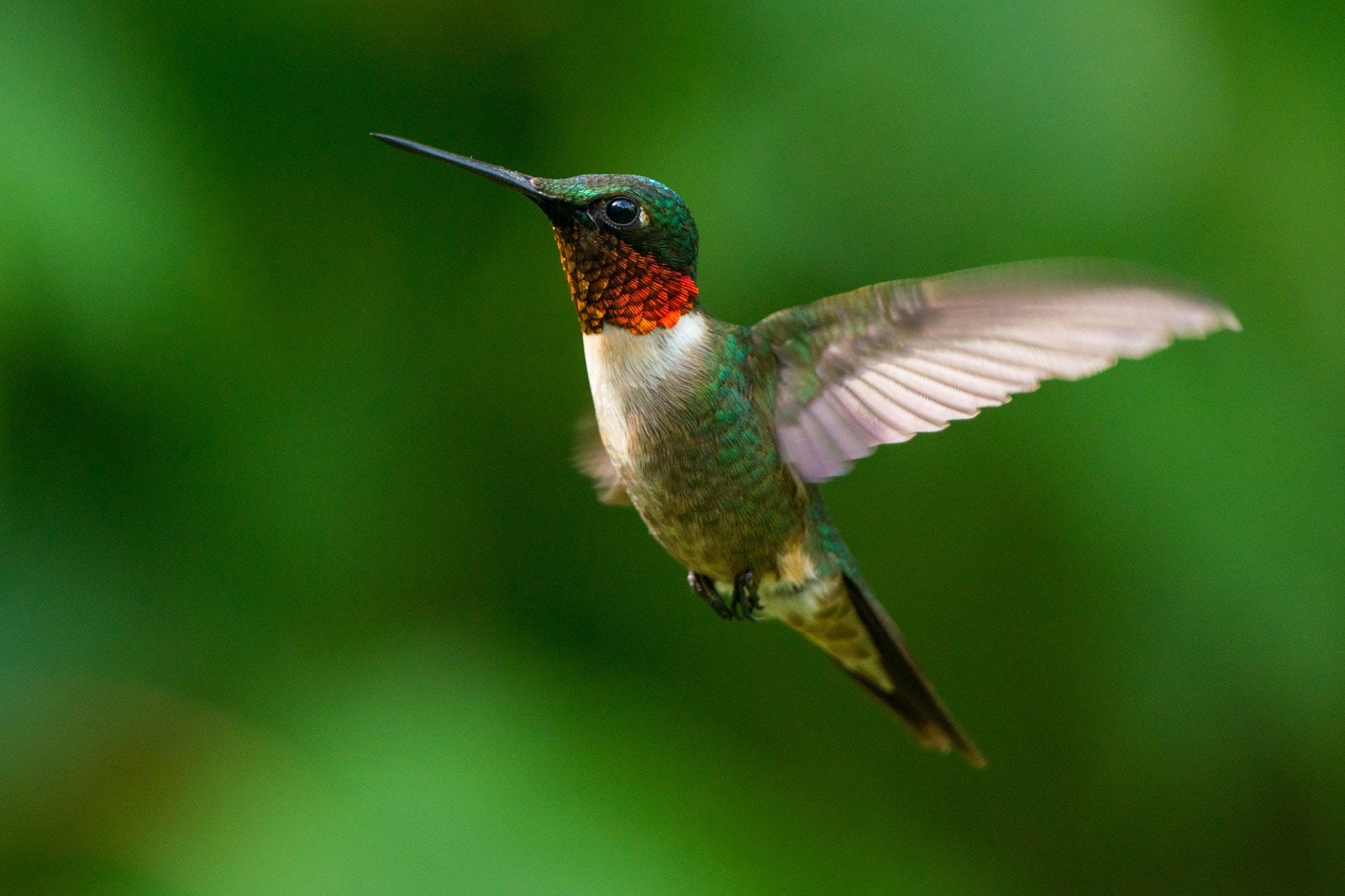
Double down on high performers. Your high achievers should never get put on autopilot. High achievers need different types of coaching.
High achievers need more 360 feedback, not less. I've sometimes found a high achiever is worse at articulating their strengths than their weaknesses. To everyone else, their excellence is obvious. Praise can come as a torrent of kind words in 360 reviews, but not highly specific to which of their talents (there many be many) to focus on. Moreover, hyperachievers can be hypercritical of themselves, which can cause them to overcorrect when given constructive feedback. Frequent 360 feedback can help them develop balanced self-awareness and embrace their strengths.
They’re exceptionally prone to burnout. In nature, hummingbirds have such a high metabolism that they need to refuel about every 10 minutes. Hummingbirds burn 6000 to 12,000 calories per day. In people, exceptional achievers are also high-burn (on themselves).
Studies show imposter syndrome is most often experienced by high achievers. Our capitalist culture rewards the kind of work ethic that tends to burn people out, especially insecure overachiever types. They’ll keep striving beyond the accolades and praise, often to the detriment of their health. Like hummingbirds, they need frequent refueling, but they can often forget to eat, hydrate, and sleep in the course of a hyperfocused sprint of work. You must to remind them to recharge.
Hyperachievers are still human. They need repeated encouragement to do less. Help them recognize red flags when they’re trending towards burnout and encourage them to develop specific, actionable “emergency plans” to reset and nourish themselves. Burnout is a chronic work stress injury. Treat them like Olympic athletes. Formulating a plan that builds in periods of rest and balanced recovery will help your high performer thrive better in the long term. We want stars, not comets.
They need space to take moonshots. Ironically, low performers get work taken away from them and told to “just focus on nailing this one thing” while high achievers get asked to take on more, or roped in by executives to fight fires. They may end up overloaded, doing two to three jobs, and getting by without anyone asking how to take things off their plate! It should be the opposite. These are your creative dreamers, explorers and wayfinders, your adventurers and creators. They will find a way through the forest, probably in unexpected ways that redefine the status quo. You can’t afford to load them down with the rest of the group and ask them to carry others. Their time and mindspace should be fiercely protected. At the risk of mixing metaphors, a strong hyperachiever may end up barreling down the runway, loaded with everyone else's baggage. If you treat them as cargo planes instead of fighter jets (or rockets!), you'll never help them discover just how nimbly or high they can fly.
Even hummingbirds have blind spots. When they fly fast, they miss things. People may have growth blind spots which may have been overlooked by prior managers because of exceptional performance in another area. They may be averse to failing or making mistakes. High achievers tend to internalize failures even more because of their success rate. This can hold them back from practicing outside their comfort zone, if they don’t do excellently on the first try. Normalize failure and remind them they’re not superhuman. Tell them you expect them to make mistakes. This enables them take bolder and more ambitious shots, and grow into more well rounded and compassionate leaders in their own right.
B+ players might be sleeper A players. Not all stars come in blazing. They may have put work on the back burner to start a family, or due to other personal circumstances, or to recover from prior burnout. Some have simply never been told they have potential to be exceptional leaders - that’s all it takes to jumpstart their growth. If you can set up an environment for success, it’s a fast track to adding another star to the team.
Hummingbirds are restless, so you can only keep them for so long. They are attracted to outsized challenges and working with excellent people, and the most reliable way to accelerate their departure is to surround them with easy work and lackluster peers. You must prune your team for excellence and tackle ambitious goals if you want top talent to stay. Expect them to leave. They want to leapfrog the career ladder instead of merely being content to climb it. At my startup, our best engineers left to start their own companies. My top PM got poached by a startup that made her a Director within a year. Even so, the value they brought over their time on my team outpaced the work of ten.
Don’t make managing harder for yourself than it already is. Expect and celebrate excellence. The truth is, leaders can’t take credit for the bulk of anyone’s performance - people mostly drive themselves. I can only create the environment that attracts and cultivates excellence.
I’m trying to make it easy on myself. My teams aren’t for everyone. I’m building a garden for hummingbirds. I’m cultivating an environment that’s weeded and well pruned. they should see an abundance of bright flowers to keep them energized and fueled. I’ve placed interesting nooks to explore, and interspersed spots to remind them to rest. I can’t keep these champion birds for long, I know they’re headed all the way to the Northern Lights. I can only strive to provide a memorable waypoint on their incredible career journey - and I hope that’s enough to attract hummingbirds season after season.